 +86-18168358320
Welcome to Wuxi Jinlianshun Aluminum Co., Ltd Website! Aluminum Heat Exchangers Manufacturers

 2026.08.19
 Content
A wheel loader in a busy quarry makes hundreds of passes per shift. Each pass loads the bucket, stresses the hydraulics, and pushes waste heat through the machine. The part that carries that heat away is the wheel loader heat exchanger, the core that keeps engine coolant, hydraulic oil, and transmission fluid inside their operating windows. When this heat exchanger is undersized, blocked, or poorly matched to the duty cycle, the symptoms appear quickly: sluggish hydraulics, rising oil temperatures, and unscheduled downtime that spreads across the fleet.
The short answer is this: for a wheel loader, specifying the heat exchanger correctly comes down to total system heat load, the available space envelope, and the air-side fin design. Every other detail, from fittings to brackets to coatings, hangs off those three decisions.
A wheel loader heat exchanger is rarely a single component. On modern loaders it is a cooling package that usually covers several circuits:
Aluminum plate-fin construction dominates this market because it moves a high amount of heat from a small core volume and adds little weight to the front of the machine. The core is built from stacked parting sheets and corrugated fins, brazed in a vacuum furnace to form one continuous block. In wheel loader packages, the hydraulic oil cooler often mounts in front of the engine radiator so the same fan draws air through both.
The practical conclusion: when an OEM or a workshop talks about a wheel loader heat exchanger, they usually mean the integrated aluminum cooling package. The cooler with the least margin decides how hot the machine runs on a long working day. For machines where hydraulic oil temperature is the limiting factor, a dedicated aluminum hydraulic system heat exchanger keeps the oil in a safe viscosity band so pumps and valve spools hold their clearances.
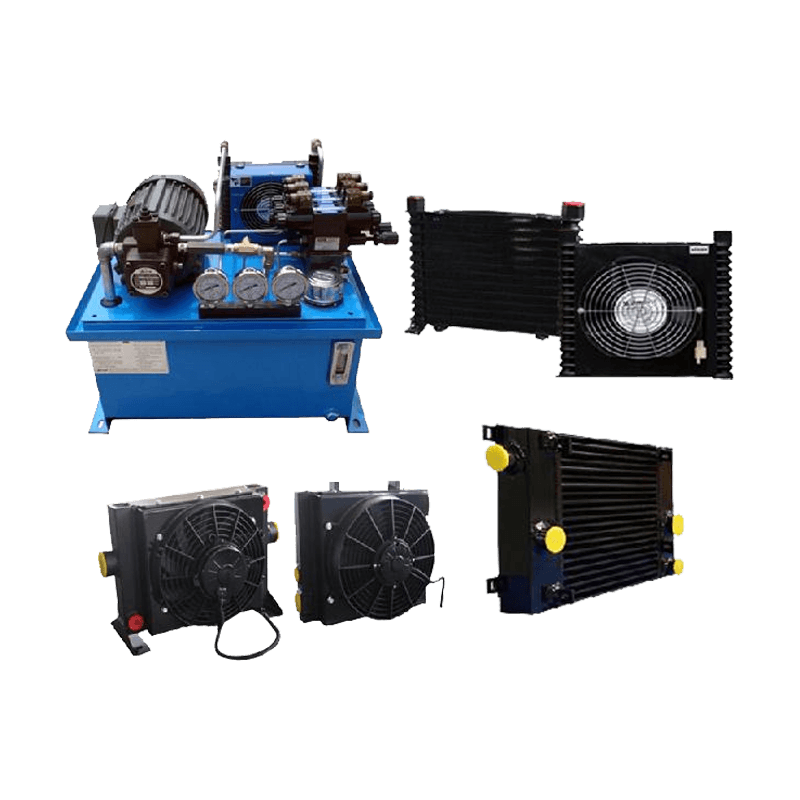 Wholesale Aluminum Hydraulic System Heat Exchanger Suppliers, Company - Wuxi JinWuxi Jinlianshun - China Wholesale Aluminum Hydraulic System Heat Exchanger Suppliers and Company, Custom Aluminum Hydraulic System Heat ...View Product →
Bigger is not always better in a wheel loader cooling package. Wheel loaders operate in dust, mud, and constant vibration, and the heat exchanger has to survive a duty cycle far more aggressive than a highway vehicle ever sees.
The result is simple: the best wheel loader heat exchanger is the one matched to the site and the duty cycle, not merely to the engine power rating.
Three constructions have historically dominated wheel loader cooling: aluminum plate-fin, aluminum tube-and-fin, and copper-brass. They differ in weight, heat transfer density, corrosion behavior, and cleanability.
| Aspect | Aluminum plate-fin | Aluminum tube-and-fin | Copper-brass |
|---|---|---|---|
| Heat transfer density | High | Medium | Medium |
| Weight | Low | Medium | High |
| Pressure capability | Very good when vacuum brazed | Good | Good |
| Air-side cleaning | Good with wider fin pitch | Moderate | Moderate |
| Corrosion resistance | Good with correct coolant and coating | Good | Excellent |
| Typical loader role | Hydraulic, transmission, and charge-air oil cooling | Engine radiator | Older machines and heavy-duty radiators |
The comparison explains why aluminum plate-fin cores are the default for loader oil coolers. Weight matters on the front axle, heat transfer density matters in a crowded engine bay, and the brazed block handles pressure and vibration well. Many wheel loaders still use tube-and-fin cores for the engine radiator because they are simple to replace, while the plate-fin advantage shows up in hydraulic and transmission circuits where space is tight. A general-purpose aluminum plate-fin cooler can cover those duties when the core size and fin geometry are adapted to the loader layout.
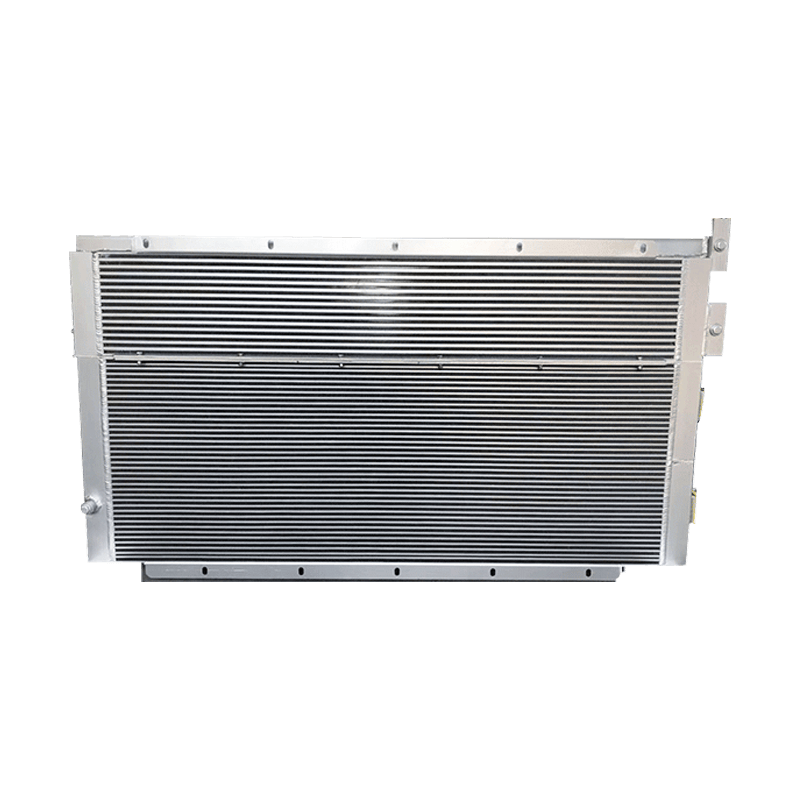 Aluminum Coolers Manufacturers, Aluminum Plate-fin Cooler SuppliersAs China Aluminum Coolers Manufacturers and Aluminum Plate-fin heat exchanger Suppliers, Factory, Jinlianshun offer Cutsom Aluminum Plate...View Product →
Start with numbers, not part numbers. A reliable selection process follows these steps:
Typical temperature windows for the second step are listed below.
| Circuit | Typical operating window | Main risk above the window |
|---|---|---|
| Engine coolant | 85 to 95 °C | Coolant loss and head gasket stress |
| Hydraulic oil | 60 to 80 °C | Viscosity drop, pump and seal wear |
| Transmission oil | 70 to 90 °C | Friction material damage and seal failure |
These are reference windows, not universal limits, so always follow the machine manufacturer's specification. When a loader runs hot at the end of a shift, the most common root causes are low airflow, a dirty core, or a cooler selected for average instead of peak heat load. For machines that work in extreme environments, our guide to upgrading construction equipment cooling systems for severe duty explains which parts of the package usually fail first.
Even a well-built wheel loader heat exchanger fails when operating conditions exceed the design margins. The typical failure sequence follows a familiar pattern:
The common thread is that most failures are environmental rather than metallurgical. Correct specifications and basic care prevent them.
Wheel loaders come in different weights, powers, and layouts. A replacement heat exchanger must match the mounting pattern, port orientation, fan clearance, and overall dimensions of the specific machine. Catalog units help, but customization is normal in this market. To work efficiently with a manufacturer, prepare this information:
A manufacturer that produces its own aluminum plate-fin cores can adjust fin geometry, core depth, headers, and port positions to fit the loader and its duty cycle. This is where a specialist supplier earns its value. Our wheel loader heat exchanger is built around the mounting and cooling demands of common loader models, with options for custom cores and port layouts.
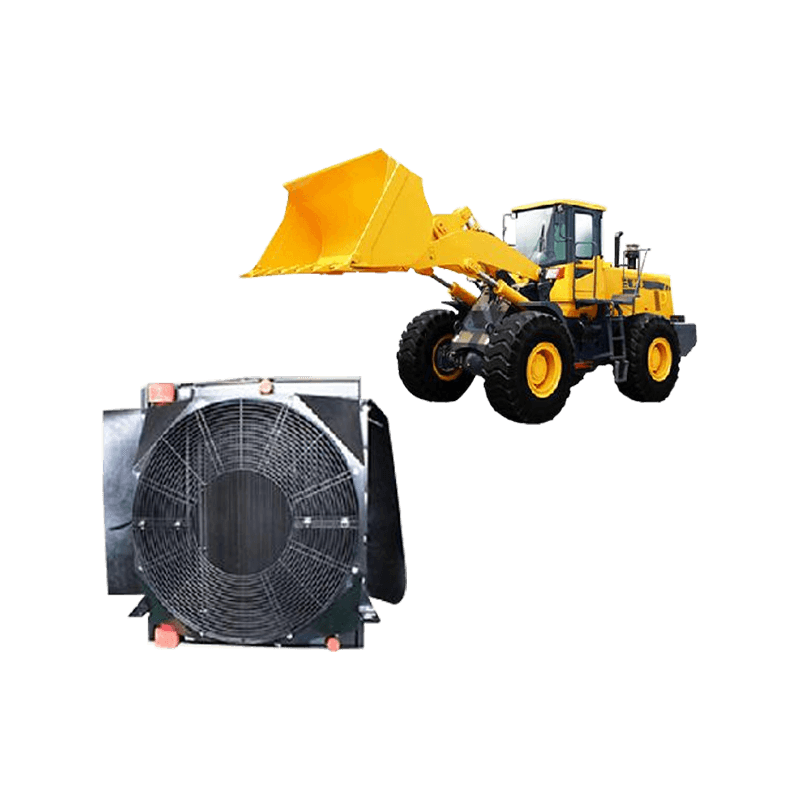 Wholesale Loader Heat Exchanger Suppliers, Company - Wuxi Jinlianshun Aluminum CWuxi Jinlianshun - China Wholesale Loader Heat Exchanger Suppliers and Company, Custom Loader Heat Exchanger, A loader heat exchanger is ...View Product →
The difference between a heat exchanger that lasts and one that keeps failing is rarely luck. It is specification quality, design match, and honest maintenance. Get those three right, and the loader keeps producing through the hottest part of the day.
Technological innovation, quality refinement, integrity-based, the pursuit of excellence. Market-oriented, “customer satisfaction” as the core, all services to customers. Aluminum Heat Exchangers Manufacturers in China, Aluminum Radiator Heat Exchangers Solutions
ADD: No.59-1 Changkang Road, Wuxi Binhu District, Wuxi City, Jiangsu Province, China.
MP(Whatsapp):+86-18168358320
MP(Whatsapp):+86-18068169815
MP(Whatsapp):+86-18914157685
Copyright © Wuxi Jinlianshun Aluminum Co. Ltd. All Rights Reserved.

 English
 русский